 ENG
ENG
 INA
INA
Raising Wildlife Protection Awareness through Storytelling: OHAWE Project at Tesso Nilo National Park Partners
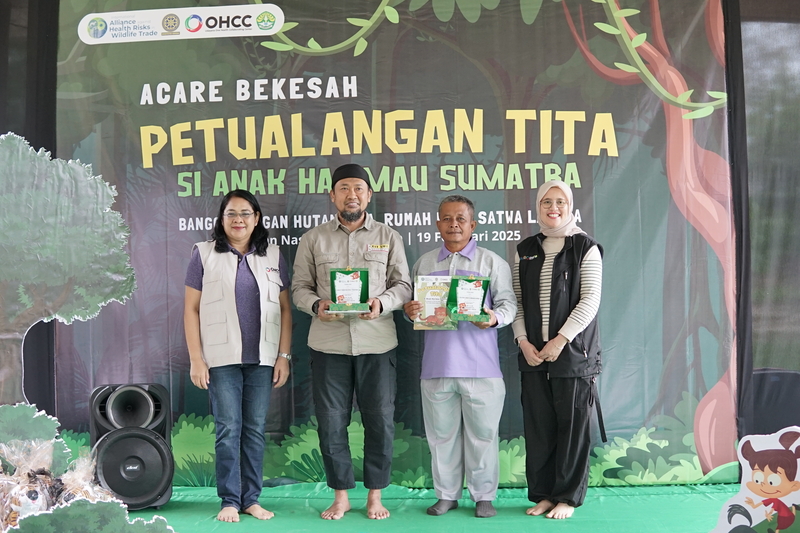
Tesso Nilo, February 19, 2025 – The University of Riau's Faculty of Medicine (FK UNRI), through its Veterinary Medicine Study Program, in collaboration with the Udayana University One Health Collaborating Center (OHCC), implemented the first OHAWE Project in Riau. This activity took place at the Tesso Nilo National Park (TNTN) office and involved various parties, including the village head, the head of the TNTN office, and an academic team from OHCC Udayana.
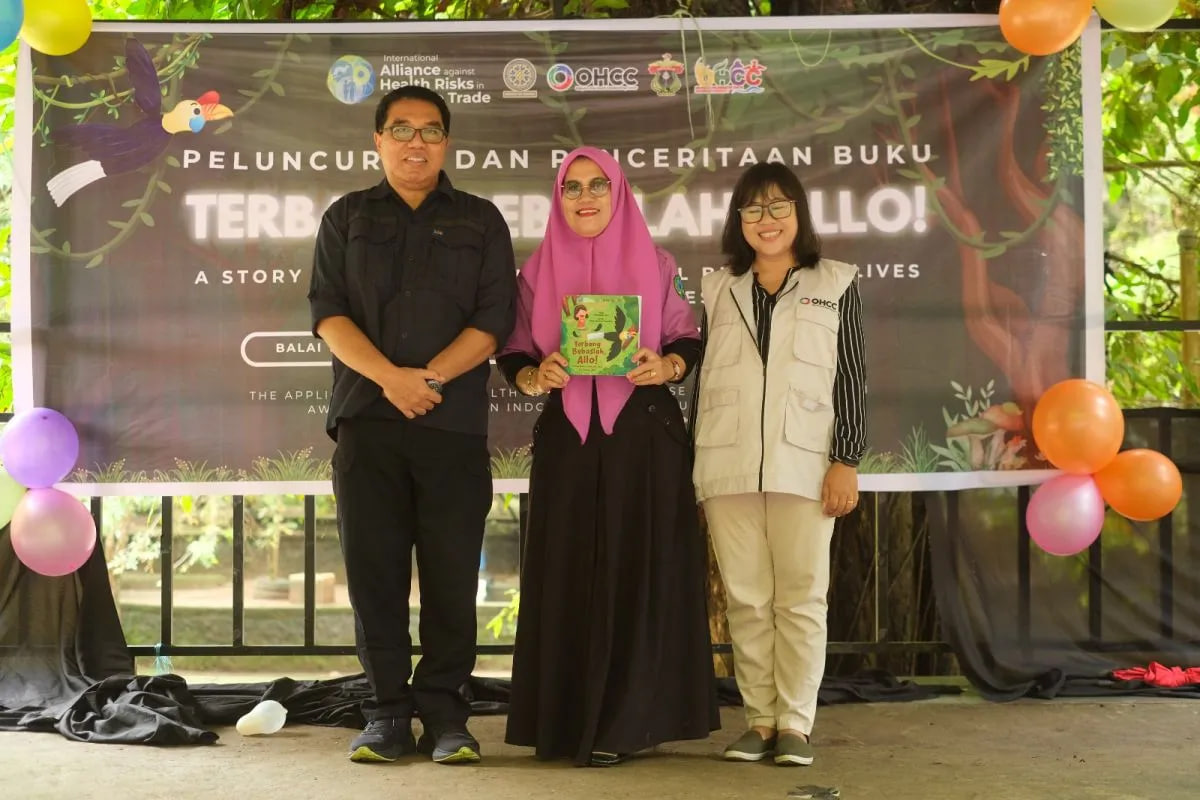
Prior to the storytelling session, a storybook themed around the Sumatran tiger was compiled. This book was developed to educate children about the increasingly concerning condition of Sumatran tigers. The Sumatran tiger is currently listed as critically endangered on the International Union for Conservation of Nature (IUCN) Red List due to a significant population decline, rampant illegal hunting, and the loss of their natural habitat. These storybooks were distributed to the activity participants and will also be distributed to several other locations as part of the wildlife conservation education campaign.
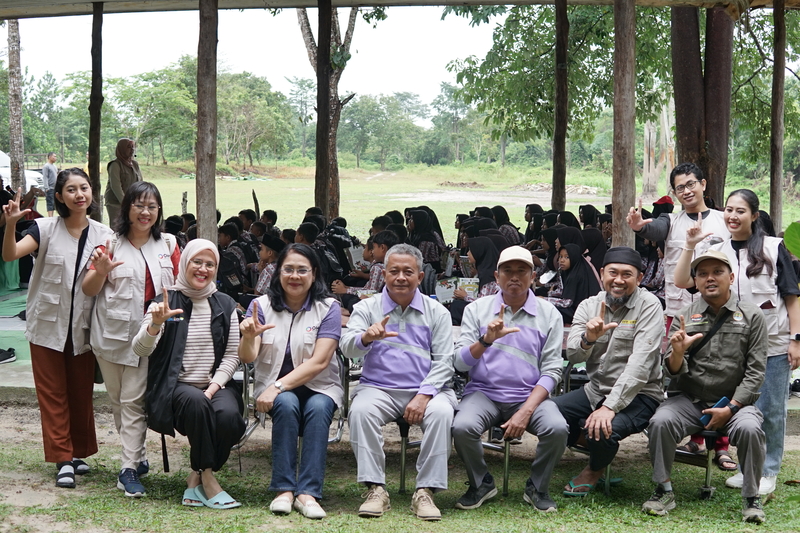
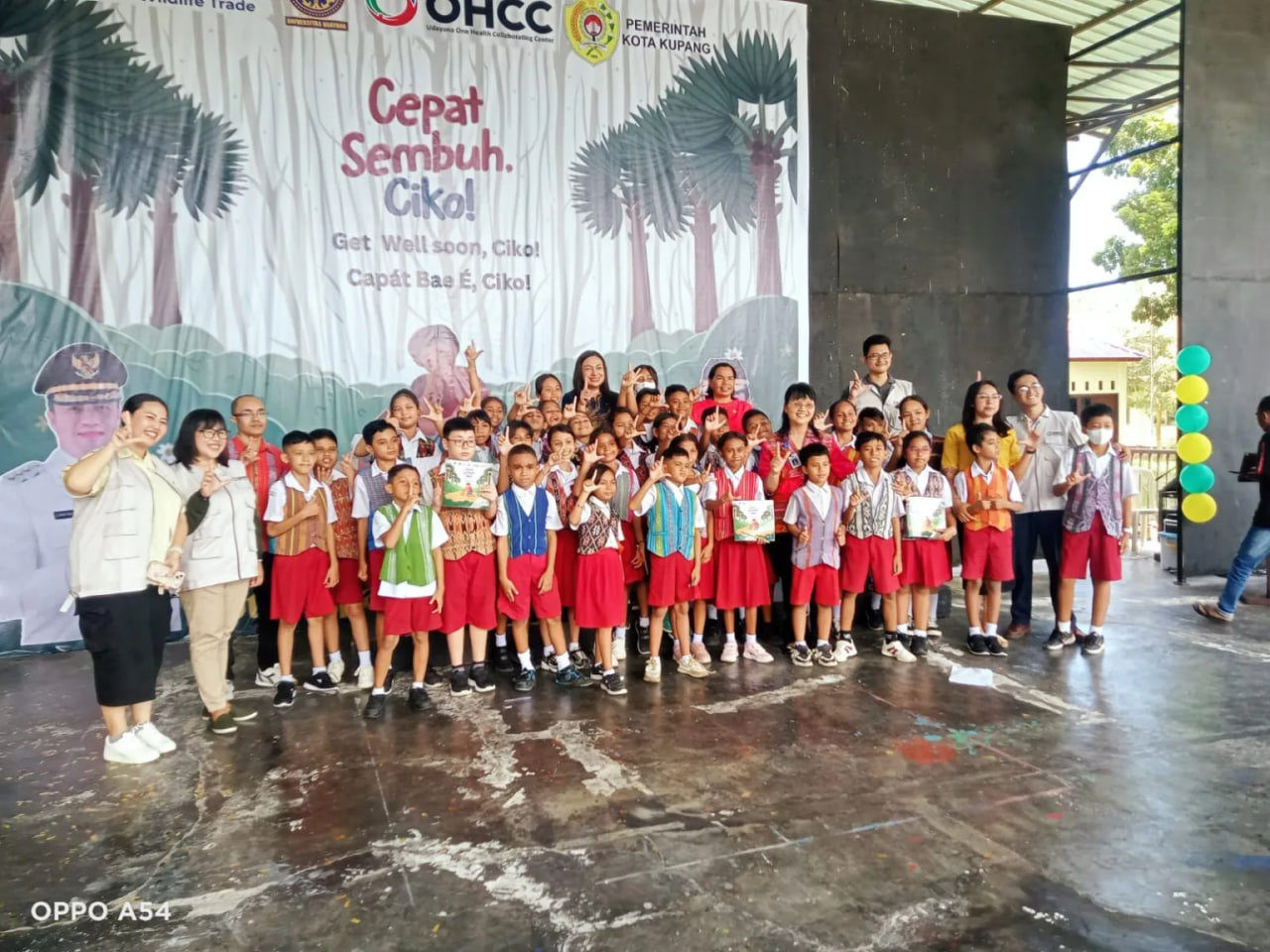
The storytelling activity itself was attended by 75 elementary school students from grades 4-6 of SDN 003 Lubuk Kembang Bunga. Through interactive storytelling, the children were invited to understand the importance of protecting Sumatran tigers and how collective efforts can help prevent their extinction.
The event was also attended by the OHCC Udayana team, led by the OHCC Udayana Coordinator, Prof. Dr. dr. Ni Nyoman Sri Budayanti, Sp.MK(K), and the Riau Regional Coordinator for OHCC Udayana, Dr. dr. Dewi Angraini, Sp.MK(K). The presence of the expert team from Udayana demonstrates strong academic collaboration in developing innovative One Health-based approaches to raise public awareness about wildlife trade issues and endemic species conservation.
Prof. Dr. dr. Ni Nyoman Sri Budayanti, Sp.MK(K) stated, "This activity is an excellent initial step in building early awareness of the importance of wildlife protection and its impact on human health. We hope this activity can continue to develop and inspire more parties to participate in conservation efforts."
Meanwhile, Dr. dr. Dewi Angraini, Sp.MK(K) added, "We are very proud to bring the OHAWE Project to Riau for the first time. The enthusiasm of the participants, including students, teachers, and parents, has been extraordinary. This shows that awareness of the importance of wildlife protection can grow from an early age if delivered with the right methods."
One of the student participants shared his impression: "I was very happy to learn about Sumatran tigers in such a fun way. Now I understand better why we must protect them. The story made me want to help protect the environment."
A teacher who also attended the activity shared her perspective: "This activity is very beneficial as it provides children with a deeper understanding of the impact of illegal hunting on Sumatran tigers. We, as educators, highly appreciate this storytelling method, which is easy for children to understand."
The Head of the TNTN Office stated, "Activities like this greatly support conservation efforts in our area. By involving children as the next generation, we can build stronger awareness to protect the Tesso Nilo ecosystem, including the Sumatran tiger, which is a key species here."
The village head also added, "We hope this activity not only impacts the children but can also mobilize the surrounding community to care more about environmental sustainability and wildlife in this region."
The OHAWE program not only aims to raise children's awareness of wildlife protection but also serves as part of academic research to understand the effectiveness of the storytelling approach in conservation education. It is hoped that the results of this research can become a reference for similar initiatives in various regions across Indonesia.
Through this activity, it is hoped that the younger generation can better understand the importance of maintaining ecosystem balance and reducing the risk of zoonotic disease spread associated with the wildlife trade. The OHAWE Project is committed to continuously expanding the reach of education and collaboration to create a more sustainable future for Indonesia's wildlife.
Gallery
UDAYANA UNIVERSITY